What to know before choosing a Megawin rummy format
Points bills leftover cards. Deals bills a sitting. Pool bills a running total.
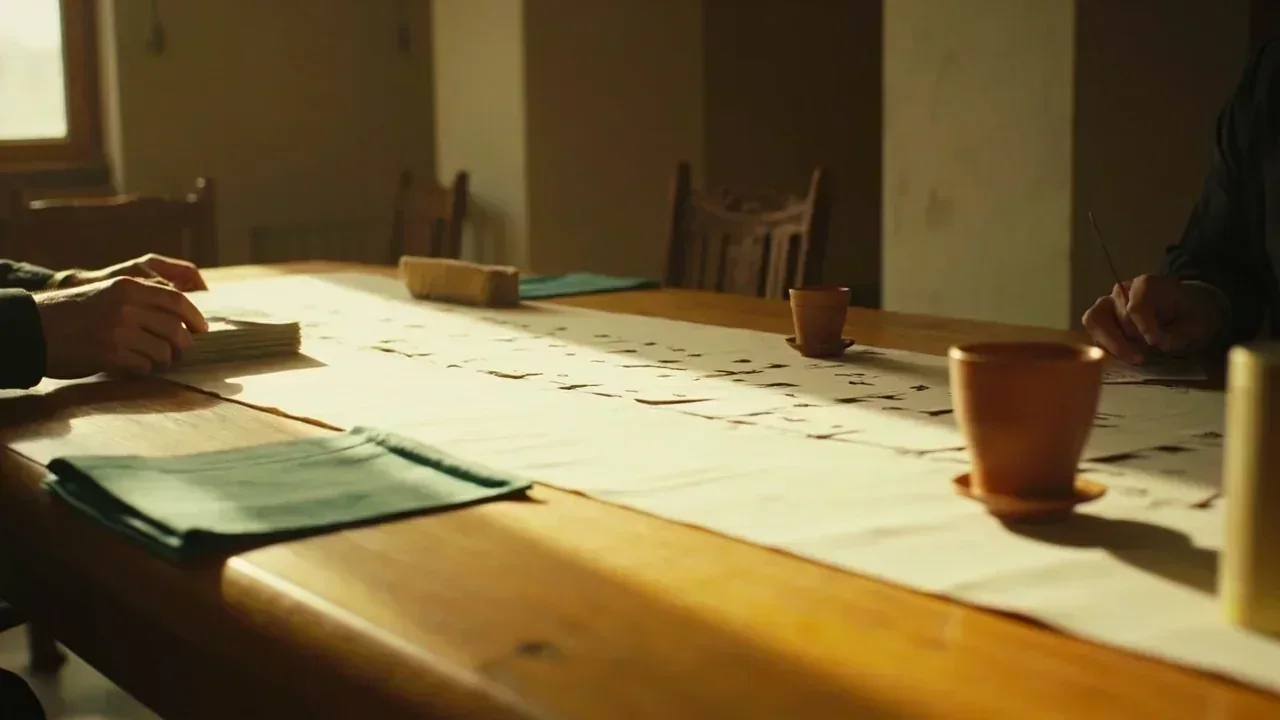 One room, one table. The formats differ in how the sitting ends.
Scoring unit, hand end, drop timing, who leaves
Before the sitting, the useful contrast is not flavour. It is the unit the table counts, the event that closes a hand, the moment a drop is still cheap, and whether a player can be eliminated mid-session.
Those four columns stay empty of rupees on purpose. If Megawin later prints a point value or a pool threshold, the ledger can gain a number. Until then the number cell stays blank and the decision still has to be made on structure.
| Format | Scoring unit | Hand end | Drop timing | Who is eliminated |
|---|---|---|---|---|
| Points | Value of leftover cards | A legal show | First drop still available early | Nobody mid-session by threshold |
| Deals | Sum across a fixed deal count | The last dealt hand | Each deal has its own drop window | Nobody by pool total |
| Pool | Running penalty total | A show or a drop that adds to the total | Early drop can keep you under a line | A player who crosses a published line |
Deals
Pool
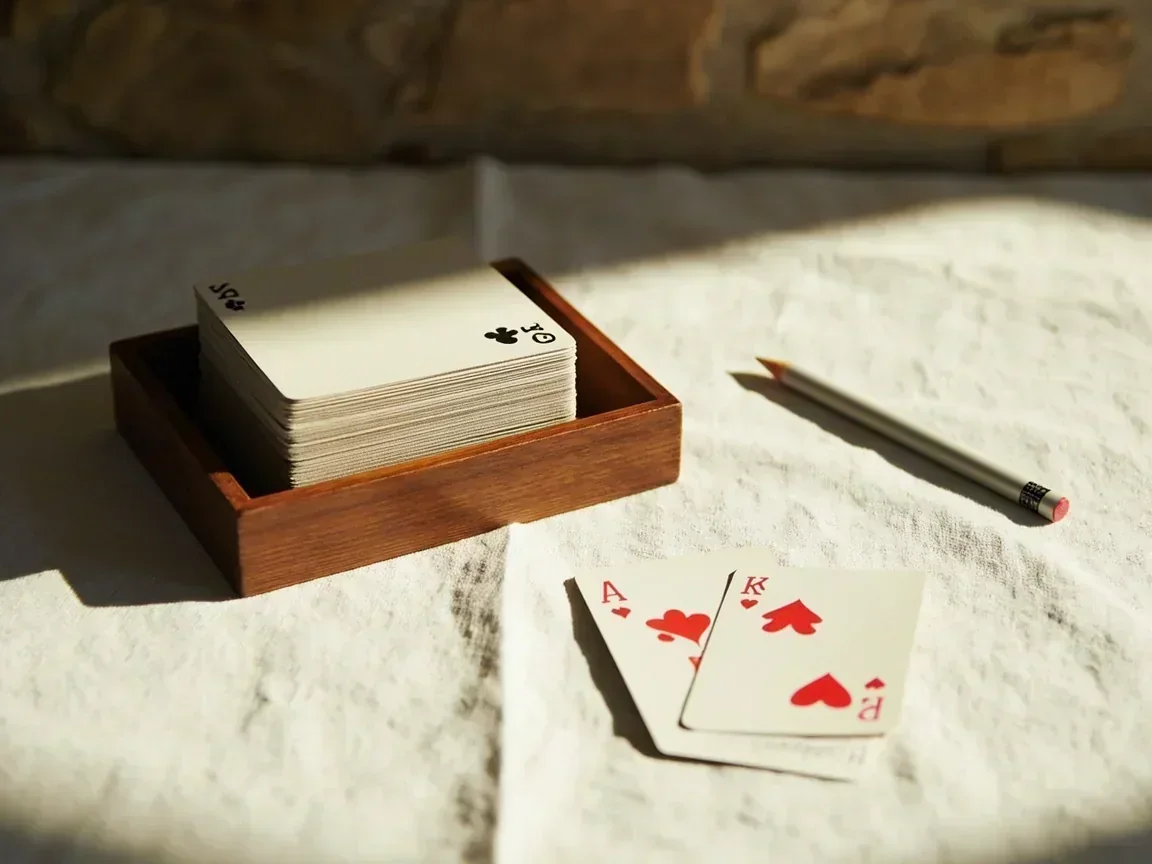 Points still: one compact hand and a single discard.
Points is a leftover-card bill, not a race clock
In common 13-card practice a Points hand ends when one player shows a legal declaration. Everyone else is billed from unmatched cards. Face cards often count ten. Aces often count one or eleven depending on house sheets we do not have. Jokers usually count zero in a valid meld and a printed value when leftover.
That is why a first drop can be rational on Points. If the opening seven cards cannot form a pure sequence without a miracle stock, leaving early often costs less than sitting for a full count. The cheapness is relative. The exact first-drop figure is unpublished for Megawin.
Do not take the compact tray in the photograph as a promise that Points sittings are small. The tray only shows a short still. The sitting lasts until a legal show or until you drop.
Deals asks you to survive a known number of hands
Club Deals tables often use two or three deals. Some use more. Megawin's count is unpublished. If the table does not print the number, you cannot price the sitting.
Evidence: general convention.
Each deal reopens a first-drop window. A drop in deal one does not automatically drop you from deal two. Confirm that locally. A missed reopen is a common way people overstay.
Confirm on the table.
The bill is the sum of leftover values across the published deals. A pretty deal two does not erase a heavy deal one. That is the cost of the format, not a defect.
No rupee example is printed here.
Two remaining stacks mean the sitting is not over
The Deals still shows two neat remaining piles and a tea saucer. That is a multi-deal sitting, not a single show. If you wanted a one-and-done Points hand, this is the wrong object.
A later deal can be folded early if the new cards are worse than the first. The skill, such as it is, is admitting that. The chance is that the next stack is kinder. Neither fact is a payout.
 Deals still: leftover stacks, not a finished sitting.
Pool keeps a running line that can remove you
Pool 101 and Pool 201, in ordinary club speech, are elimination thresholds. Cross the line and you leave while others continue. Those numbers are convention. They are not printed here as Megawin house limits.
Because the total carries, a first drop is not only about the current hand. It is about staying under a line you may not even see published. If the table hides the running total, you are choosing a format without its main instrument.
A long Pool sitting is also a stamina choice. If you cannot name a break plan, do not pick Pool because it sounds serious. Pick it because you accept a running total.
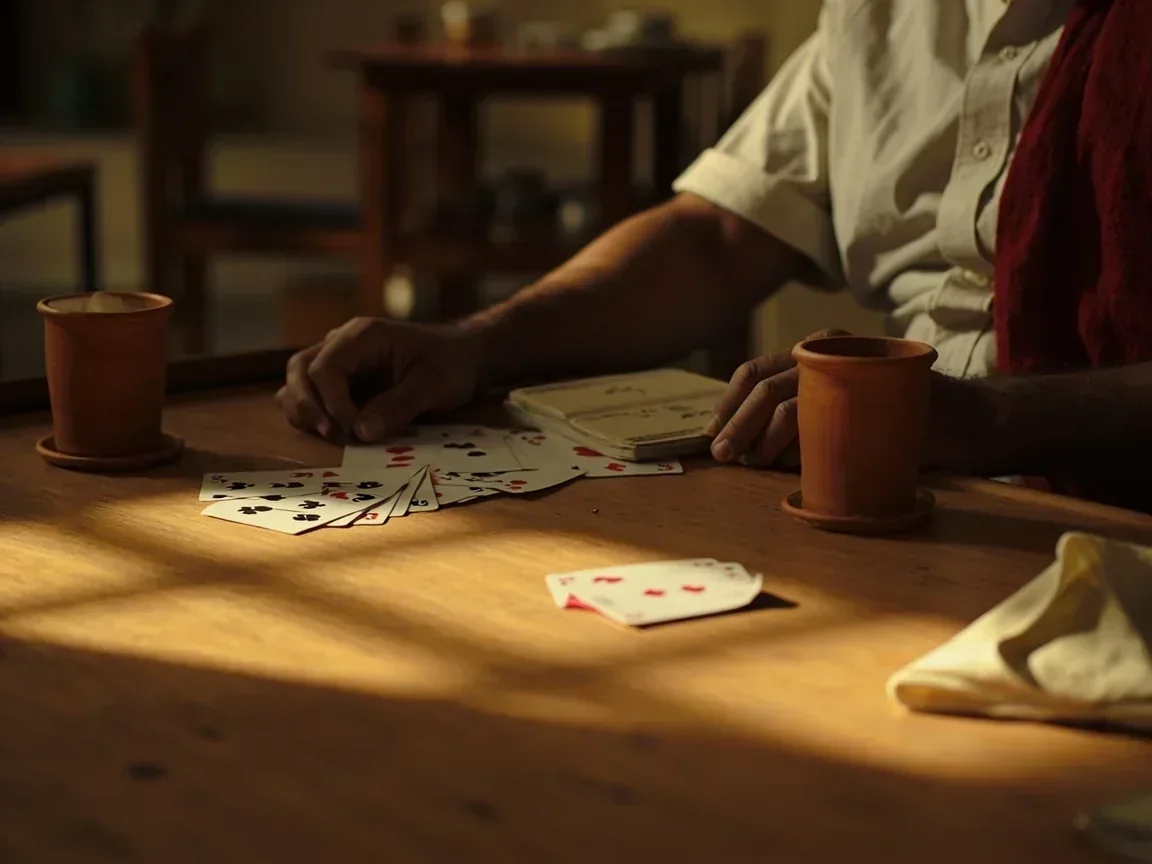 Pool still: a longer sitting, more discard, no printed threshold.
A wider discard scatter is not a jackpot picture
The Pool photograph is a longer sitting. Cups multiply. The discard grows. Nothing in that frame is a prize. If you read it as glamour, you are importing a casino habit this desk refuses.
If the threshold is unpublished, the only honest Pool choice is to treat elimination as possible and to set a personal stop before the first deal.
Blank cells that must stay blank
Point valueBlank
Deal countBlank
Pool lineBlank
Prize tableAbsent
Filling those cells with typical club numbers would make the ledger look finished and would be false. A finished-looking lie is worse than a blank.
What this ledger will not decide for you
It will not tell you which format is luckier. It will not tell you which format Megawin pushes. It will not convert a structural choice into a bonus. After you pick a column, the next useful read is the declaration order, not another comparison of the same three names.
Worked contrast without invented rupees
Imagine seven opening cards with no same-suit pair that can grow into a pure sequence. On Points, a first drop is a live option because the hand has a single bill. On Deals, the same cards are one line in a sum; you still need to know how many deals remain. On Pool, the same cards are a threat to a running line you may not see.
The cards did not change. The job did. That is the entire reason this desk exists as a ledger instead of three equal marketing tiles.
A second contrast: you already have a pure sequence and high leftover face cards. On Points you hunt a show or a cheap discard plan. On Deals you still have later hands to survive. On Pool you may accept a drop to stay under a line. Again, same cards, different job.
How this desk differs from the rules note
The rules note walks deal, draw, discard, show and invalid show. It does not restage this ledger. If you still need the meaning of a pure sequence, leave this comparison and open that sequence. Coming back here after the sequence is the intended order, not a loop.
Next action after a format is named
Format questions readers actually send
Should I pick Points because it looks faster?
Speed is not published. Points usually ends on a legal show, which can be short or long. Choose it for leftover-card scoring, not for a promised duration.
Are Pool 101 and Pool 201 Megawin house numbers?
They are common club labels. Treat them as convention unless the table prints a threshold.
Where are the prize tables?
They are not on this desk. A format choice here is about scoring unit and drop timing, not payout.
A format choice is still not a seat
Naming Points, Deals or Pool only removes one friction: sitting down without knowing the bill. It does not confirm the official access path, the identity process or the 18+ gate. Those jobs live on other desks.
If you already know the format and still cannot name whether the next official step is download, login or a stop, go to the access notes before Get Started. The ledger has done its work once the column is chosen.
Related jobs after the ledger
A fourth contrast: changing format mid-evening
People sometimes play a Points hand, dislike the speed of a show, and jump into Pool because the room looks busier. That jump resets the bill. Leftover-card arithmetic does not carry into an elimination line. If you switch, name the new unit out loud before the next deal. Otherwise you will price a Pool drop with Points instincts.
Megawin may or may not allow a mid-evening switch. That control is unpublished. The useful discipline is yours: one named format per sitting unless the table prints a change.
Seat count and private tables stay unpublished
Whether Megawin offers two-seat, six-seat or private tables is unpublished. Do not infer a seat count from the long club-room photograph. That picture is one room, not a lobby map.
If a later screen prints a seat list, it belongs on a dated note. Until then, pick a format by scoring unit, not by a guessed crowd.